

Chemicals
We have the right chemicals to suit your application. Whether you handle softwashing, pressure cleaning, or fleet washing, choosing the correct solution improves results and efficiency. In addition, using the right chemical mix helps reduce cleaning time and operating costs.
Softwash Cleaning Solutions
Softwashing relies on a combination of specialised chemicals to treat and remove organic buildup. For example, surfactants help break down dirt, grease, and grime by lowering the surface tension of water. As a result, the solution penetrates surfaces more effectively and lifts contaminants with ease.
In addition, biocides target and eliminate mould, mildew, algae, and other organic growth. Therefore, they help prevent regrowth and extend the cleaning result. Alkaline cleaners also play an important role, as they break down oils and organic matter. Because of this, they are highly effective on heavily soiled surfaces.
Pressure Cleaning Chemicals
Pressure cleaning often requires stronger solutions for tougher contaminants. For instance, degreasers remove heavy grease and oil from surfaces such as concrete, machinery, and metal. Furthermore, acidic cleaners dissolve mineral deposits, rust stains, and efflorescence on brick and concrete.
As a result, operators can restore surfaces more effectively and achieve a deeper clean. In addition, selecting the correct chemical reduces the need for excessive pressure, which helps protect surfaces.
Fleet and Vehicle Cleaning
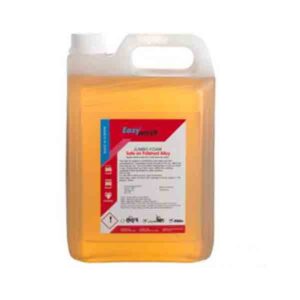
Fleet washing requires a balanced approach between cleaning power and surface safety. Foam-based detergents help lift and remove dirt while remaining safe for polished alloy surfaces. In contrast, more aggressive solutions suit heavy machinery and equipment with built-up grime.
Therefore, choosing the right foam strength ensures effective cleaning without damaging sensitive finishes.
Choosing the Right Combination
Each cleaning task requires the correct combination of chemicals. Because surfaces and contaminants vary, operators should always adjust their approach. In addition, testing on a small area helps confirm compatibility before full application.
By selecting the right products and ratios, you can improve efficiency, reduce waste, and achieve consistent professional results across every job.